


Blue Light Glasses: Do They Really Protect Your Eyes?
Blog:Blue Light Glasses: Do They Really Protect Your Eyes?
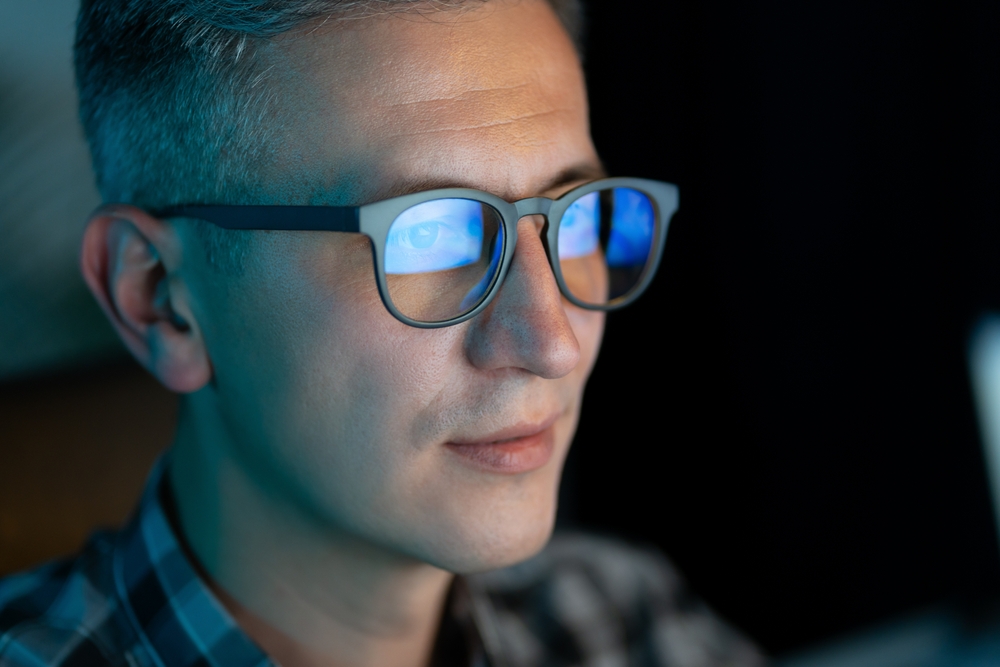
Blue Light Glasses: Do They Really Protect Your Eyes?
In today’s digital world, screens are everywhere. From smartphones and tablets to computers and televisions, many of us spend hours each day looking at digital devices. With this increased screen time has come growing interest in blue light glasses - but do they really protect your eyes, or are they just another trend?
Let’s take a closer look at what blue light is, how it affects your eyes, and whether blue light glasses are worth considering.
What Is Blue Light?
Blue light is a high-energy, short-wavelength light that comes from both natural and artificial sources. The sun is the largest source of blue light, but digital screens and LED lighting also emit significant amounts.
During the day, blue light helps regulate your sleep-wake cycle, boosts alertness, and supports mood and cognitive function. Problems can arise, however, when we are exposed to large amounts of artificial blue light for long periods - especially later in the day.
How Can Blue Light Affect Your Eyes?
While blue light has not been proven to cause permanent eye damage from screen use alone, it can contribute to several common discomforts, including:
Digital eye strain, which may cause tired or sore eyes
Headaches after prolonged screen use
Dry eyes and blurred vision
Difficulty falling asleep due to disrupted circadian rhythms
These symptoms are often grouped under what’s known as digital eye strain or computer vision syndrome.
Do Blue Light Glasses Actually Work?
Blue light glasses are designed with special lenses that filter or block a portion of blue light emitted from digital screens. For many people, these glasses can help reduce eye strain and improve overall visual comfort during extended screen use.
However, it’s important to understand what blue light glasses can and cannot do:
They may help reduce glare and visual fatigue
They can improve comfort during long hours on screens
They may support better sleep when used in the evening
What they do not do is completely eliminate eye strain or replace healthy screen habits. Eye strain is often caused by how long and how closely we focus on screens - not just blue light exposure alone.
Who Can Benefit Most from Blue Light Glasses?
Blue light glasses may be especially helpful if you:
Work on a computer for several hours a day
Use digital devices frequently in the evening
Experience headaches or tired eyes after screen use
Have difficulty winding down or sleeping after being on screens at night
They are available with or without prescription lenses, making them accessible for a wide range of patients.
Other Ways to Protect Your Eyes from Screen Strain
Blue light glasses work best when combined with healthy visual habits, such as:
Following the 20-20-20 rule: every 20 minutes, look at something 20 feet away for 20 seconds
Adjusting screen brightness and contrast to comfortable levels
Positioning screens at eye level and an appropriate distance
Remembering to blink often to reduce dryness
Scheduling regular eye exams to ensure your prescription is up to date
Schedule Your Comprehensive Eye Exam at Texas State Optical Today
Blue light glasses are not a cure-all, but they can be a helpful tool for improving comfort during prolonged screen use and supporting better sleep habits. When paired with proper screen ergonomics and regular eye care, they can play a valuable role in protecting your visual comfort in a digital-first world. If you’re experiencing eye strain or are curious whether blue light lenses are right for you, professional guidance makes all the difference.
At Texas State Optical, our eye care professionals can help you determine if blue light glasses are a good fit for your lifestyle and vision needs. Schedule a comprehensive eye exam by visiting our office in Lake Jackson, Texas, or calling (979) 297-8188 today.
Helpful Articles
article_category: eyeglasses
article_category: services
article_category: eye health
article_category: contact lenses
article_category: eye surgery co-management
article_category: surgical procedures
article_category: ocular disease management
article_category: products
article_category: technology
[]
article_category: services
article_category: eye health
article_category: contact lenses
article_category: eye surgery co-management
article_category: surgical procedures
article_category: ocular disease management
article_category: products
article_category: technology
[]
Flowbite is an open-source library of interactive components built on top of Tailwind CSS including buttons, dropdowns, modals, navbars, and more.
Check out this guide to learn how to get started and start developing websites even faster with components on top of Tailwind CSS.

All Eyecare Services
We offer a wide variety of eye care services to the Lake Jackson community. Contact us with any questions about our services.

Keep In Touch
For non-urgent questions or to learn more about our services, contact us today!

Contact Information
Office Hours
- Monday 8:00am – 5:30pm
- Tuesday 8:00am – 6:30pm
- Wednesday 8:00am – 5:30pm
- Thursday 8:00am – 5:30pm
- Friday 8:00am – 5:30pm
- Saturday Closed
- Sunday Closed
- Monday 9:00am - 6:00pm
- Tuesday 9:00am - 6:00pm
- Wednesday 9:00am - 6:00pm
- Thursday 9:00am - 6:00pm
- Friday 9:00am - 6:00pm
- Saturday 10:00am - 2:00pm
- Sunday Closed
- Monday 8:00am - 5:00pm
- Tuesday
- Wednesday
- Thursday
- Friday
- Saturday
- Sunday
© 2026 Texas State Optical Lake Jackson. All rights Reserved - Accessibility Statement - Privacy Policy - Terms and Conditions - Sitemap
Managed and Designed by 